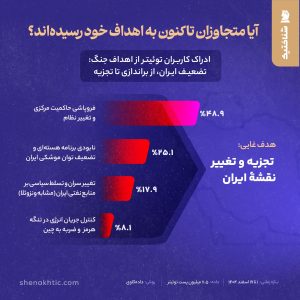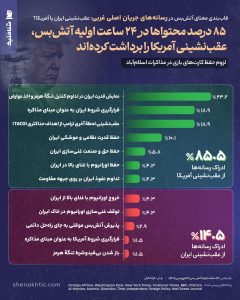



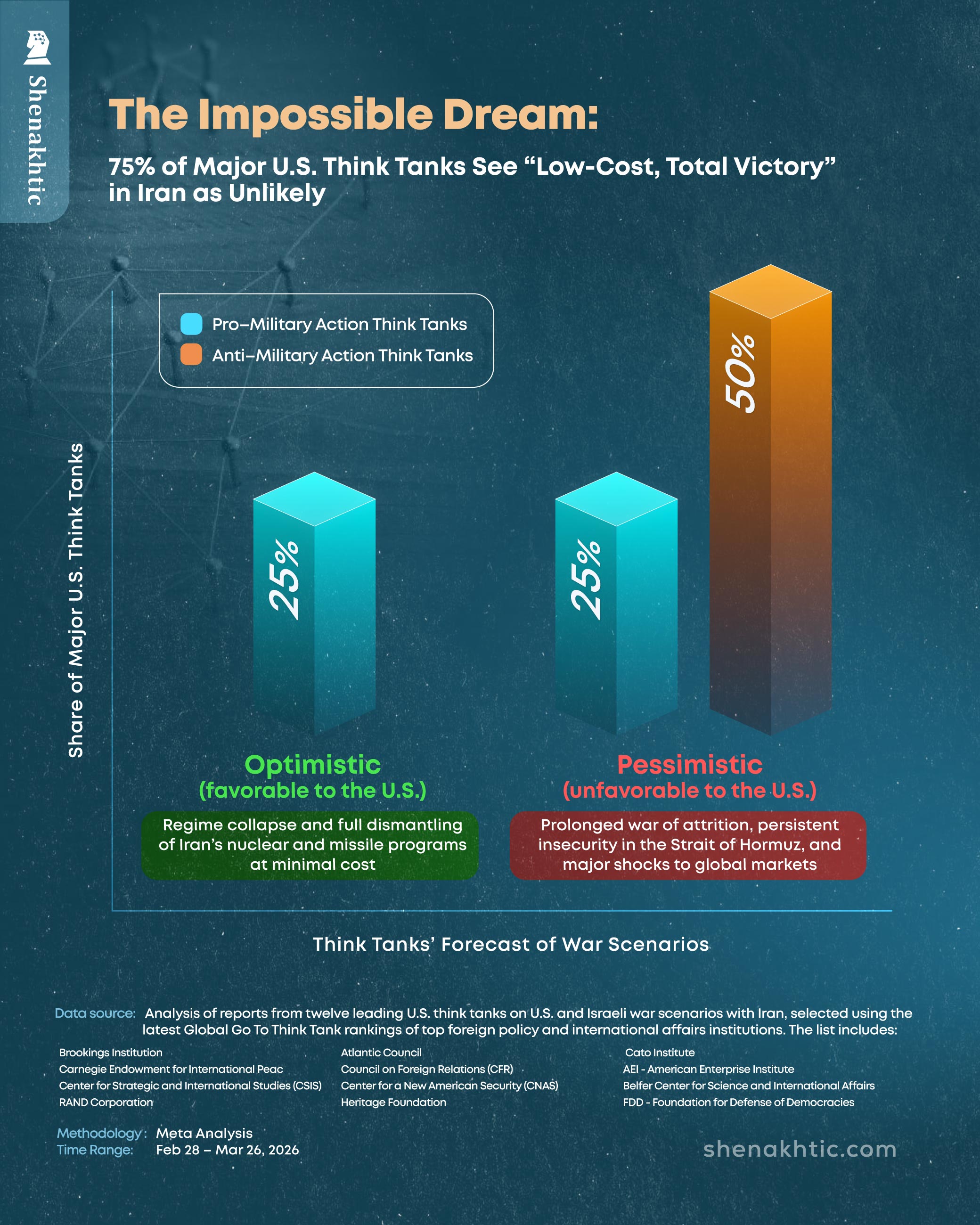


A review of reports by leading U.S. think tanks finds that 75% view the most likely trajectory of a war with Iran as unfavorable to the United States. Scenarios point to a prolonged, costly war of attrition—resembling Iraq and Afghanistan—along with lasting insecurity in the Strait of Hormuz and major shocks to global markets.
Pessimism Cuts Across the Spectrum
Even among pro-military action think tanks, only half expect a favorable outcome. The rest foresee a drawn-out conflict with serious economic and security consequences, highlighting that even within “maximum pressure” circles, there is no consensus on achieving a decisive victory.
Think tanks outside this camp are even more skeptical: Optimistic scenarios are nearly nonexistent. As assessments shift from political rhetoric to strategic analysis, the prospect of a quick, low-cost victory fades, emphasizing the risk of a prolonged quagmire. The central concern is not just entering the war, but controlling its endgame.
War-Making vs. War Management
While U.S. and Israeli governments continue to aspire to a decisive strike, it is increasingly seen as unrealistic. The 75% pessimism rate reflects not a lack of intent, but a lack of confidence in success—underscoring expectations of a prolonged, high-cost conflict.
This study is based on a systematic analysis of reports published between Feb 28 and Mar 26, 2026 by 12 leading U.S. think tanks on U.S.–Israeli war scenarios with Iran.